
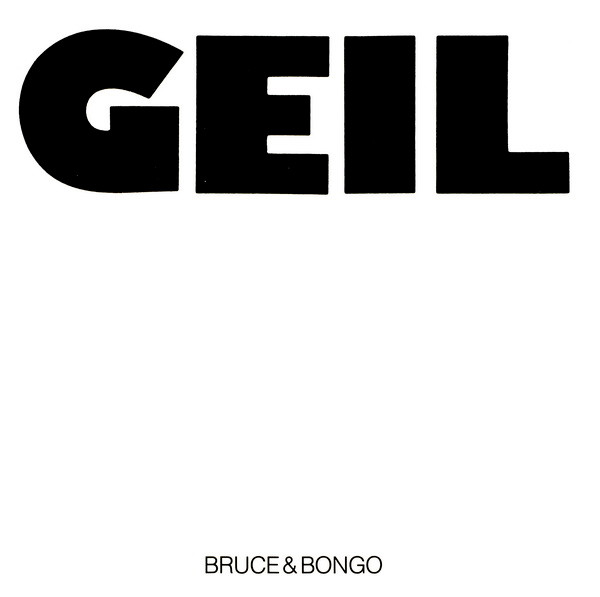
In the mid-1980s, the European music charts were hit by a linguistic and rhythmic whirlwind that nobody saw coming. The track was “Geil,” and the masterminds behind it were two British expatriates living in West Germany: Bruce Hammond Earlam and Peter “Bongo” Benjamin Wythe.
Who Were Bruce & Bongo?
Before becoming a one-hit wonder sensation, Bruce and Bongo were part of the vibrant underground scene in Germany. Bruce, in particular, had ties to the experimental and avant-garde circles. However, it was their synergy as a duo that struck gold. They weren’t your typical pop stars; they had a quirky, almost satirical edge that resonated with the burgeoning club culture of 1986.
The Sound: A Precursor to House
While often labeled as “Synth-pop” or “Euro-disco,” “Geil” was deeply rooted in the early House music movement. At a time when the Chicago House sound was just beginning to trickle into Europe, Bruce & Bongo adopted its signature elements:
- The Four-on-the-Floor Beat: A relentless, driving kick drum that made it an instant dancefloor filler.
- Minimalist Sampling: The track famously sampled the word “Geil” (German for “cool,” “awesome,” or literally “horny”) in a repetitive, rhythmic fashion—a hallmark of House production.
- Talk-Singing Delivery: Their deadpan, rhythmic spoken vocals paved the way for the “Hip-house” subgenre that would explode a few years later.
The Controversy and Success
The song’s title caused a massive stir. In the 80s, “Geil” was still considered quite provocative in Germany. Radio stations debated whether to play it, and some parents were scandalized. Naturally, this “forbidden” aura only fueled its popularity.
The track reached Number 1 in Germany, Austria, and Italy, becoming one of the best-selling singles of 1986. It wasn’t just a song; it was a cultural moment that turned a slang word into a global catchphrase.
Legacy
Bruce & Bongo proved that you didn’t need a traditional singing voice to top the charts—you needed a hook, a beat, and a concept. While they never replicated the massive success of “Geil,” the song remains a quintessential relic of the 80s: a bridge between the neon-soaked disco era and the electronic dance revolution that followed.