
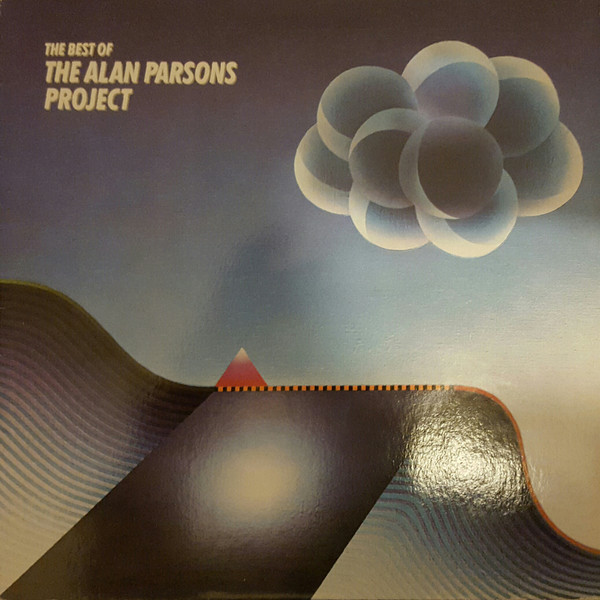
When people think of The Alan Parsons Project, they often picture elaborate concept albums, progressive rock storytelling, and the pristine engineering of the man who helped craft The Dark Side of the Moon. However, beneath the cinematic layers of synthesizers and orchestral arrangements lies a rhythmic pulse that fundamentally influenced the evolution of disco and modern electronic dance music (EDM).
The “Robotic” Precision
In the late 1970s, as disco moved away from pure funk and toward a more mechanized, futuristic sound, Alan Parsons and Eric Woolfson were busy perfecting sonic clarity.
Unlike many rock bands of the era who relied on a “loose” feel, Alan Parsons Project tracks were characterized by a metronomic, almost digital precision. This obsession with timing and high-fidelity production provided a blueprint for producers looking to create tracks that would sound powerful and consistent over massive club sound systems.
Key Tracks that Bridged the Gap
Several Alan Parsons Project songs became unexpected staples or stylistic inspirations for the dancefloor:
- “I Wouldn’t Want to Be Like You” (1977): With its funky, driving bassline and tight guitar scratches, this track captured the “sophisti-disco” vibe that was emerging in late 70s clubs.
- “Mammagamma” (1982): This instrumental track is perhaps their most direct link to the future of dance music. Built almost entirely on a repetitive, hypnotic synthesizer sequence, it pre-dated the rise of Italo Disco and Deep House. It remains a cult classic among DJs for its seamless, trancelike energy.
- “Sirius”: While known today as a sports anthem, its use of the Clavitar and pulsing delay-based synth provided a template for the “buildup” and “tension” that define modern EDM sets.
The Influence on “Italo Disco” and Synth-Pop
The Alan Parsons Project was massive in Continental Europe, particularly in Italy and Germany. Their use of the Fairlight CMI (one of the first digital samplers) and the Vocoder helped popularize a “space-age” aesthetic.
Italian producers in the early 80s took the Alan Parsons Project formula—melodic synth lines, vocoded vocals, and steady 4/4 beats—and stripped away the progressive rock complexity to create Italo Disco. The influence is evident in the works of Giorgio Moroder and even later French House acts like Daft Punk, who mirrored Parsons’ anonymity and obsession with studio perfection.
Legacy of the “Studio Magician”
The Project proved that electronic music didn’t have to be cold; it could be lush, symphonic, and rhythmic all at once. By treating the studio itself as an instrument, Alan Parsons taught the next generation of dance producers that engineering was just as important as the melody.